Making Sure That the Product Fits Your Needs
A sample lets you find out whether a wiping rag suits your work before committing to a larger order. Feeling the fabric is a useful first impression, but the most helpful evidence comes from using it on a representative task.
A worthwhile trial does not have to be complicated. It needs a clear standard, comparable conditions and a short record of what happened.
Here is a practical way to evaluate wiping-rag samples and turn the results into a purchasing decision.
1. Define what a successful result looks like
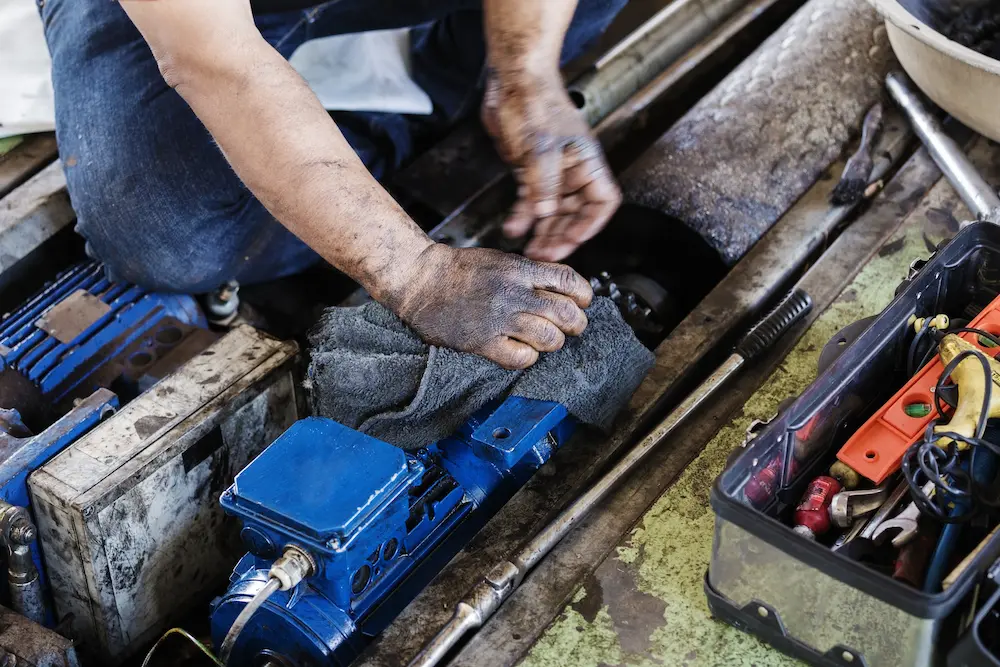
Choose a task your team performs regularly. It could be wiping down a workbench, removing routine oily residue from a component or cleaning a smooth equipment surface.
Decide what counts as finished before starting. Your criteria might include no visible loose fibres, no remaining streaks, or a surface that passes your existing inspection process.
If you need one grade for several applications, test those applications separately. A rag that performs well on a workbench may not meet the requirements of a finishing operation.
2. Check that the sample represents the product
Ask the supplier which grade the sample represents and what variation is normal in the bulk supply.
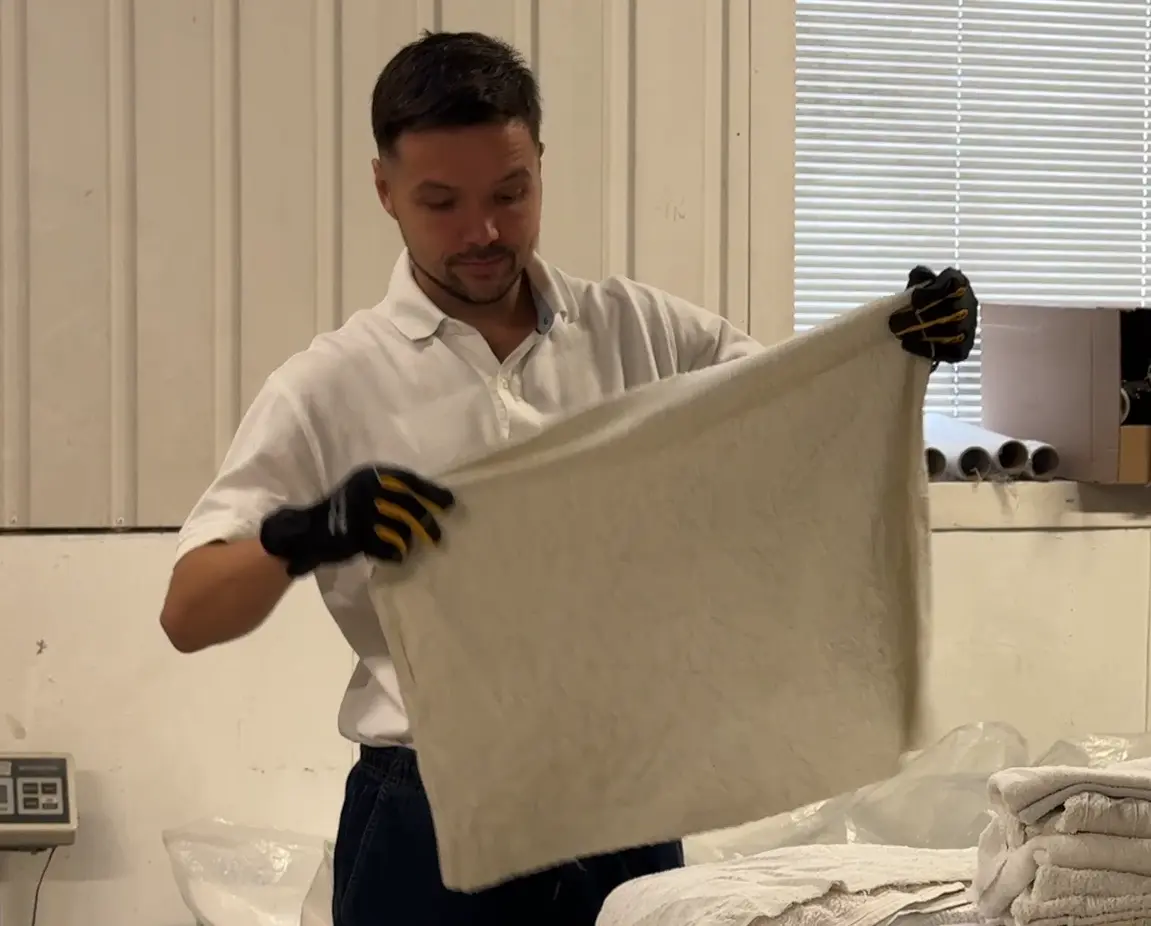
Reclaimed textile pieces can differ in dimensions and construction, so examine several pieces rather than choosing only the most attractive one. If you are evaluating a trial pack, take pieces from different parts of it.
Look at usable dimensions, thickness, flexibility and any sections that would be unsuitable for your job. Record these observations alongside the grade name so they can be discussed when ordering.
A small sample is a starting point. It cannot establish the consistency of every future delivery.
3. Keep the comparison fair
Use equivalent surfaces with a similar amount and type of soiling. Keep the cleaning product, application method and required finish consistent.
Where practical, have the same person compare the grades initially. Then ask another regular user to try them. This helps reveal whether the result depends heavily on one person’s technique.
Do not test one rag on a lightly marked surface and another on a heavily contaminated one, then compare the quantities used as though the tasks were identical.
For delicate surfaces, start on a suitable spare piece or inconspicuous area. Use cleaning products and methods already approved for the task.
4. Observe absorption and handling
For a liquid-pickup task, use a repeatable amount of liquid under controlled workplace conditions. Record whether the rag takes it up readily, pushes it around or needs several passes.
Also note how the cloth behaves during normal wiping. Does it fold comfortably? Can it reach the area being cleaned? Does it tear, snag or become difficult to handle?
A simple water trial can help compare water pickup. It does not establish how the rag will perform with oil or a different cleaning liquid. Evaluate the actual application through your normal approved procedure.
5. Inspect what remains on the surface
Check the cleaned area for visible fibres, streaks, colour transfer and remaining dirt. Use the same lighting and inspection method for each product.
If a second pass is necessary, record it. A rag has not completed the task merely because the first wipe looked promising.
This is a practical workplace comparison. Controlled applications may require documented testing beyond visual inspection; IEST publishes specific methods for evaluating wiping materials in cleanrooms and other controlled environments.
6. Measure consumption and time
Count the pieces used, but also measure the clean rag material consumed if you are comparing products sold by weight. Piece counts alone can be misleading when dimensions vary.
One approach is to weigh the clean supply allocated to the trial and subtract the clean, unused material remaining at the end. Keep rejected or wasted pieces in the consumption total.
Avoid using the weight of dirty rags to calculate material consumption: absorbed liquid adds weight.
Record the time taken, including any extra wiping needed to reach the agreed result. Repeat the task several times to see whether the initial performance holds up.
7. Use a short comparison record
Keep one record for each grade and application:
| What to record | Your observation |
|---|---|
| Supplier and grade | Product name or sample reference |
| Task and conditions | Surface, soiling, cleaner and method |
| Completed work | Number of tasks meeting the agreed standard |
| Material consumed | Clean rag weight and pieces used |
| Time spent | Include additional wiping |
| Finished surface | Lint, streaks, residue or other issues |
| Consistency | Differences between pieces and repeated trials |
| Decision | Suitable, unsuitable or needs further testing |
Compare only products that achieve the required finish. A grade that uses less material but leaves unacceptable residue has not passed the trial.
Turn the result into a clear order
Share the successful sample reference and your findings with the supplier. Confirm the grade, expected variation, pack details and specification before ordering in bulk.
When the first delivery arrives, check it against that agreement and monitor performance during normal use.
To discuss suitable grades for your application, contact Texscale with the surfaces you clean, the liquids involved and your expected order quantity. A clear description of the job helps us recommend relevant options.